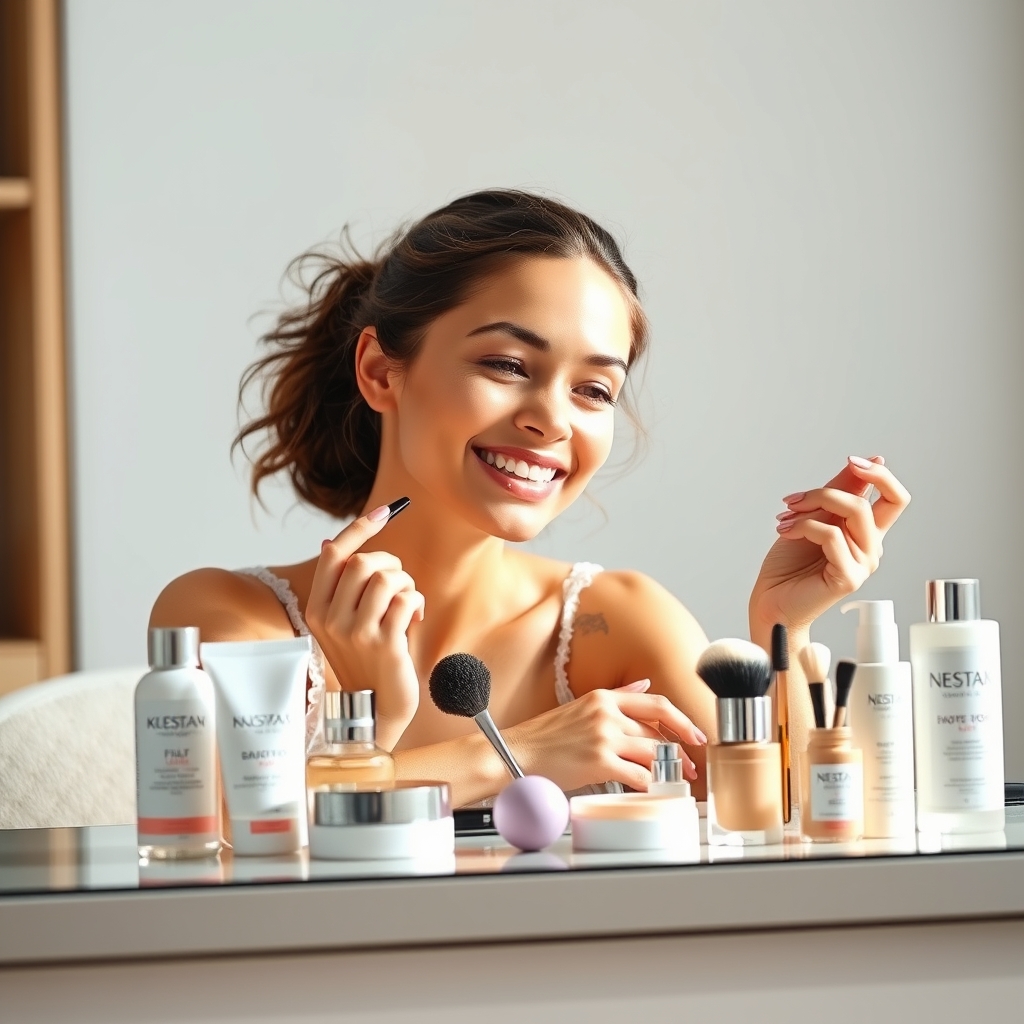
Understanding Dry Skin Before Applying Makeup
What Is Dry Skin vs. Dehydrated Skin?
Dry skin means your skin does not produce enough oil. It can look flaky, rough, or tight. Dehydrated skin lacks water, not oil. Both can make makeup look uneven, but they need different care. If your skin feels itchy, has fine lines, or looks dull, it might be dry or dehydrated. Knowing the difference helps choose the right products and techniques for makeup for dry skin.
Causes and Common Challenges of Makeup for Dry Skin
Dry skin can be caused by weather, hot showers, harsh cleansers, or genetics. Makeup for dry skin often looks patchy. It can settle into lines or highlight flakes. Having the right routine helps prevent these issues. The goal is smooth, glowing, and comfortable skin under makeup.
How Skin Type Affects Makeup Longevity and Appearance
Makeup on dry skin can fade fast or look cakey. Dry patches can show through foundation and concealer. Hydrated and well-prepped skin holds makeup longer and looks more natural. Special products and careful steps can help makeup for dry skin stay fresh and flawless all day.
Prepping Dry Skin: Essential Skincare Steps for Flawless Makeup
Hydration First: Cleansers, Serums, and Moisturizers for 2026
- Start with a gentle, hydrating cleanser to avoid stripping natural oils.
- Use a water-based serum with ingredients like hyaluronic acid. It draws water into the skin for extra plumpness.
- Seal in moisture with a rich cream that contains ceramides or squalane. These strengthen the skin barrier and keep makeup for dry skin looking dewy.
Gentle Exfoliation—Why and When It Matters
- Exfoliate once or twice a week with a mild chemical exfoliant, such as lactic acid. This removes dead skin and helps makeup go on smoothly.
- Avoid rough scrubs. They can damage dry skin and cause redness.
Barrier-Boosting Ingredients and Microbiome-Friendly Options
Look for products with ceramides, niacinamide, and probiotics. These strengthen your skin’s barrier. A strong barrier keeps water in and outside irritants out, making makeup for dry skin easier to apply and more comfortable to wear.
Innovative Primers for Dry and Dehydrated Skin
- Choose a hydrating primer with glycerin or hyaluronic acid.
- Some primers also contain oils that add glow and soften dry spots.
- Avoid mattifying primers, which can make dry skin look dull.
Choosing Makeup Products for Dry Skin
Hydrating Foundations and Skin Tints—Top 2026 Picks
- Pick foundations with “hydrating,” “dewy,” or “luminous” labels.
- Skin tints are lightweight and let your natural glow show through.
- Avoid powder foundations. They can settle on dry patches and look harsh.
Finding the Best Concealers for Dry Skin
- Use creamy, liquid concealers that blend easily.
- Look for added ingredients like aloe vera or vitamin E for extra comfort.
Cream vs. Powder: Blush, Bronzer, and Highlighters for Dry Complexions
- Cream makeup products melt into the skin and look natural.
- Powders can emphasize flakes, so use them sparingly or skip them entirely.
- If using powder, choose ones labeled “hydrating” or “glow.”
Lip and Eye Products That Won’t Flake
For lips, look for tinted balms or creamy lipsticks, not matte. Eyeshadows in cream formulas won’t dry out the delicate eye area. Avoid waterproof products unless they are specially made for dry or sensitive skin.
Step-by-Step Guide: Makeup Application Techniques for Dry Skin
Layering Thin and Blending Well for a Flawless Finish
- Apply light layers. More product can make flakes show up.
- Blend with clean fingers or a damp sponge for a seamless look.
- Build coverage slowly to avoid caking and rough spots.
Tools Matter: Brushes, Sponges, and Applicators for 2026
- Use damp makeup sponges to add moisture and help blend makeup for dry skin.
- Soft brushes work best for cream blush and bronzer.
- Clean your tools weekly to avoid buildup that can irritate dry skin.
Setting Makeup Without Drying Out Your Skin
- Skip or use very little powder. If needed, dust a tiny bit on oily areas only.
- Try a hydrating setting spray to lock in moisture and keep makeup fresh.
Customizing Your Routine: Age, Skin Tone, and Seasonal Changes
Adapting Makeup for Mature or Sensitive Dry Skin
- Use gentle, fragrance-free products to avoid irritation.
- Stick to lightweight, creamy textures that don’t settle into lines.
Choosing Shades and Finishes for Diverse Complexions
- Pick shades that match your undertone for a natural look.
- Gold and peachy highlighters work well for most dry skin tones.
- Test products on your jawline for the best match.
Seasonal Adjustments: Winter vs. Summer Strategies
- In winter, use richer creams and add hydrating mists during the day.
- In summer, switch to lighter gels and layer sunscreen under your makeup for dry skin.
Pro Tips for Long-Lasting, Dewy Makeup on Dry Skin
Touch-Ups and Mid-Day Hydration Hacks
- Carry a small facial mist and spritz when skin feels dry.
- Use a creamy stick concealer for easy touch-ups.
- Gently tap moisturizer on top of makeup with clean fingers if needed.
Preventing Caking, Flaking, and Patchiness
- Start with smooth, exfoliated skin.
- Always blend products well and use thin layers.
- Bring a travel-size moisturizer to fix dry spots on-the-go.
Best Setting Sprays and Refreshing Mists of 2026
- Look for setting sprays with hyaluronic acid, panthenol, or aloe vera.
- Refreshing mists can be sprayed any time, even over finished makeup for dry skin.
Troubleshooting: FAQs and Common Dry Skin Makeup Dilemmas
Why Does My Foundation Still Look Patchy?
Patchiness is often from dry flakes or too much product. Try exfoliating and using a damp sponge for application. Less is more.
How to Fix Creasing Concealer and Flaky Areas
If concealer creases, lightly tap with a finger or sponge to blend. For flakes, apply a tiny bit of moisturizer on top and press gently.
Emergency Fixes for Makeup Meltdowns
- Remove and reapply makeup only on problem areas.
- Use a facial mist, let it dry, then blend.
- Trust cream products to fix dry patches quickly.
Final Thoughts and Resources for Dry Skin Makeup Success in 2026
Mastering makeup for dry skin is all about hydration, gentle care, and the right tools. Always prep your skin well. Choose creamy, luminous products. Blend carefully and touch up with hydrating sprays as needed. With these steps, your makeup for dry skin will look fresh and glowing every day. For more tips, check reliable beauty blogs, dermatologist advice, and makeup tutorials in 2026. Practice, experiment, and enjoy discovering what works best for your unique dry skin!