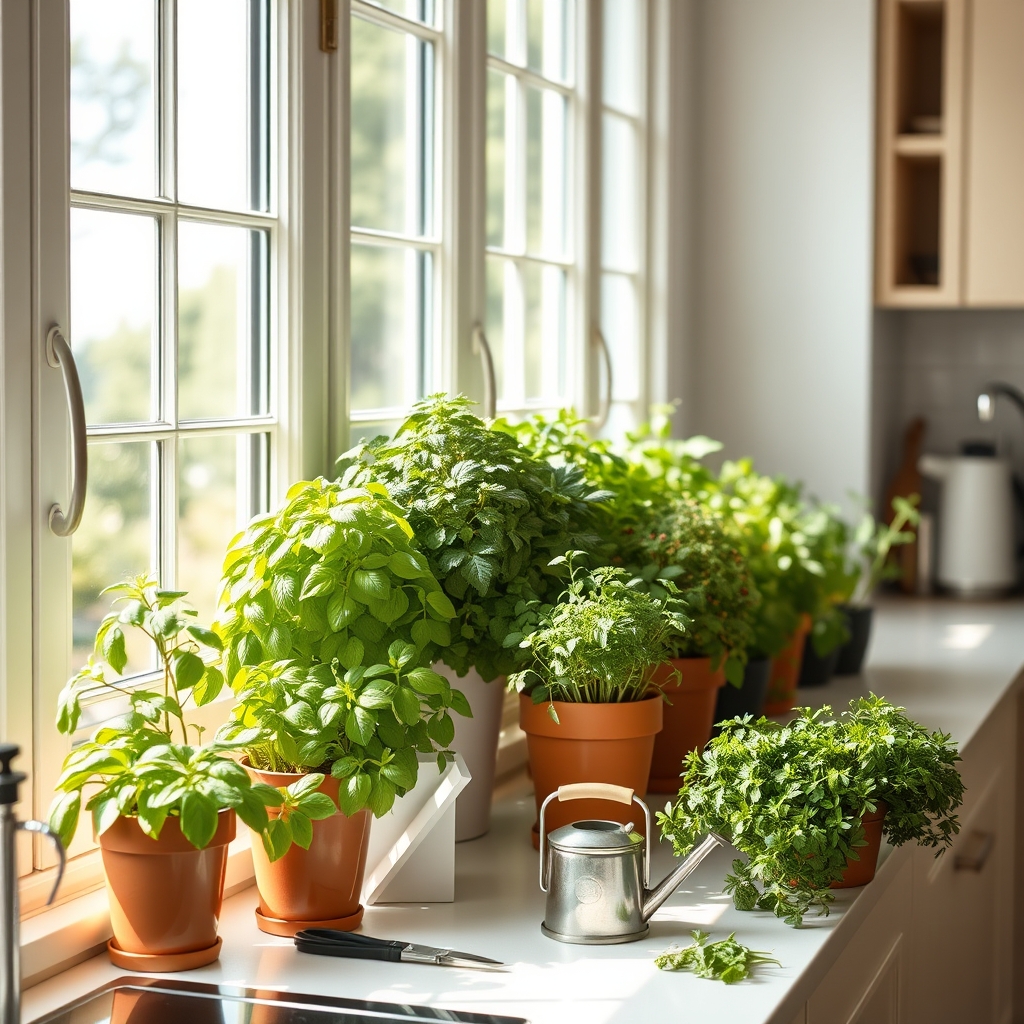
Why Grow Herbs Indoors on Your Kitchen Windowsill in 2026?
Benefits for Lifestyle, Cooking, and Well-being
Indoor herb growing on a kitchen windowsill brings many benefits. Fresh herbs make your meals more flavorful and nutritious. Watching plants grow can reduce stress and improve your mood. An indoor herb garden also gives you quick access to fresh ingredients and helps reduce grocery costs. In 2026, growing herbs indoors is more sustainable and rewarding than ever before.
New Trends in Indoor Herb Gardening
Recent years have seen major changes in indoor herb growing. Smart tech, like sensors and grow lights, makes growing easier for beginners. Many people now use eco-friendly planters and hydroponic kits. Micro-herbs and climate-adapted plants are popular. Small-space gardening and upcycled materials are part of this modern approach to kitchen windowsill herb gardens.
Planning Your Kitchen Windowsill Herb Garden
Choosing the Best Herbs for Indoor Success in 2026
Pick herbs that thrive indoors and match your cooking style. The most successful kitchen windowsill herbs for 2026 include:
- Basil
- Mint
- Parsley
- Chives
- Thyme
- Cilantro
- Oregano
- Dill
Choose disease-resistant and climate-adapted varieties for best results.
Assessing Light, Space, and Window Orientation
Most herbs need at least 6 hours of sunlight per day. South-facing windows work best, but east or west-facing ones are also suitable. For small spaces, vertical planters maximize growing area. In 2026, slim window trays and stackable shelves are easy to find and use.
Sustainable & Stylish Planters: Pots, Trays, and DIY Solutions
Choose planters with drainage holes and trays to catch extra water. Sustainable options include:
- Bamboo or recycled plastic pots
- Repurposed glass jars
- Homemade containers from upcycled materials
Select planters that fit your windowsill and can hold enough soil for healthy root growth.
Setting Up Your Indoor Herb Growing Station
Step-By-Step Guide to Potting and Planting Herbs
- Gather your planters, soil, seeds or seedlings, and a small trowel.
- Fill pots about 2/3 full with quality potting mix.
- Place seeds or seedlings in the soil. For seeds, check packet depth instructions. For seedlings, dig a small hole and set the plant in gently.
- Cover with more soil, pressing lightly to remove air pockets.
- Water until soil is moist, but not soaking wet.
- Place pots on your kitchen windowsill in a spot with plenty of sunlight.
Selecting Soil, Drainage, and Organic Options
Choose a light, well-draining potting mix made for indoor plants. Look for organic or peat-free options in 2026. Layer gravel or clay pebbles at the bottom of pots for extra drainage. Avoid garden soil, as it can bring pests and is usually too heavy for pots.
Using Smart Tech: Sensors, Grow Lights, and Hydroponic Kits
Modern indoor herb growing benefits from tech tools. Options include:
- Soil moisture sensors: Alert you when plants need water
- LED grow lights: Supplement natural light, especially in winter or low-light spaces
- Hydroponic kits: Use water instead of soil and are easy for beginners
These systems help create a thriving kitchen windowsill garden even in challenging conditions.
Daily and Seasonal Herb Care on a Kitchen Windowsill
Watering Strategies and Humidity Control
Herbs prefer slightly moist soil but do not like sitting in water. Check soil every day. Water only when the top inch feels dry. Mist the plants or use pebble trays to boost humidity in dry, heated kitchens.
Fertilizing for Indoor Herbs: Eco-Friendly Choices
Indoor herbs need gentle feeding. Use organic liquid fertilizer every 4-6 weeks. Compost tea or seaweed extract are top choices in 2026. Avoid over-fertilizing, as this can harm plant roots and flavor.
Pruning, Harvesting, and Repotting for Year-Round Growth
- Pinch or trim the top leaves regularly to encourage bushy growth.
- Harvest no more than one-third of a plant at a time to keep it healthy.
- Repot if roots outgrow the container or soil becomes compacted.
These practices keep your kitchen windowsill herb garden thriving all year long.
Troubleshooting and Advanced Solutions for 2026
Combatting Pests and Diseases: Modern Prevention and Remedies
Common indoor pests include aphids and spider mites. Use organic sprays like neem oil to treat outbreaks. Encourage air flow and avoid wet leaves. Smart monitors can alert you to sudden changes in plant health.
Solving Low Light and Winter Challenges
If your kitchen lacks sunlight, use grow lights made for indoor herb growing. In winter, extend daylight hours with timers. Move plants closer to windows and clean glass regularly to maximize natural light.
Compact Living: Growing Herbs in Tight Spaces
Try vertical wall planters or slim window boxes to save space. Stack pots on multi-tiered trays. Select miniature or dwarf varieties that thrive in smaller pots on your kitchen windowsill.
Creative Ways to Enhance Your Space and Cooking with Fresh Herbs
Windowsill Herb Gardens as Décor
Grow herbs in attractive pots or color-coordinated rows for a natural kitchen accent. Mix fragrant plants, like basil and mint, to add fresh scents to your home.
Integrating Fresh Herbs into Daily Meals and Drinks
Snip chives on eggs, mint in tea, or basil in salads. Fresh kitchen windowsill herbs make meals healthier and more flavorful. Experiment with herb-infused oils and butters for extra taste.
Kid- and Pet-Safe Herb Choices
Choose herbs like basil, parsley, and dill, which are safe for both children and pets. Avoid toxic varieties like rosemary and lavender if you have curious pets or young children.
Innovations & Sustainable Practices in Indoor Herb Growing (2026 Edition)
Choosing Pest-Resistant and Climate-Adapted Varieties
In 2026, many seed companies offer pest-resistant and climate-smart herb varieties suited for indoor growing. Look for these features when buying seeds or seedlings for your kitchen windowsill garden.
Upcycling and Eco-Friendly Indoor Gardening Ideas
Reuse jars, cans, or bottles as planters to cut waste. Compost kitchen scraps to make your own indoor fertilizer. Use biodegradable pots that break down naturally over time.
Improving Indoor Air Quality with Herb Plants
Certain herbs, like mint and parsley, help clean indoor air. Grouping several herbs together on a kitchen windowsill can improve your home’s air quality and add greenery to your cooking space.
FAQ: Indoor Herb Growing on a Kitchen Windowsill in 2026
Most Common Mistakes to Avoid
- Overwatering, which can rot roots
- Not enough sunlight or using the wrong window orientation
- Planting herbs too close together
- Using garden soil instead of potting mix
Growing from Seeds vs. Starts
Seeds are less expensive and offer more variety. Starts (young plants) give a faster harvest and are easier for beginners. For indoor herb growing in 2026, both options work well, so choose what fits your skill and patience level.
Best Practices for Harvesting and Storing
- Harvest in the morning for best flavor.
- Use clean scissors to cut stems just above a leaf node.
- Store fresh herbs in a glass of water or wrap in damp paper towels in the fridge.
- Dry excess herbs by hanging them upside down in a cool, dry place.
Resources for Future-Proof Indoor Herb Success
Recommended Tools, Apps, and Gardening Communities
- Soil moisture meters or smart plant sensors
- LED grow lights for low-light homes
- Mobile Apps: “Herb Guru 2026”, “GrowSphere”, and “GreenThumb Chat”
- Online forums like “Indoor Gardeners Connect”
Further Reading and Expert Guides for 2026
- The Modern Kitchen Herb Book (2026 edition)
- Online resources from local botanical gardens
- Expert advice from verified gardening channels and communities