Why Build a Clothing Colour Palette Around What You Own?
The Benefits of a Wardrobe-Centric Colour Palette
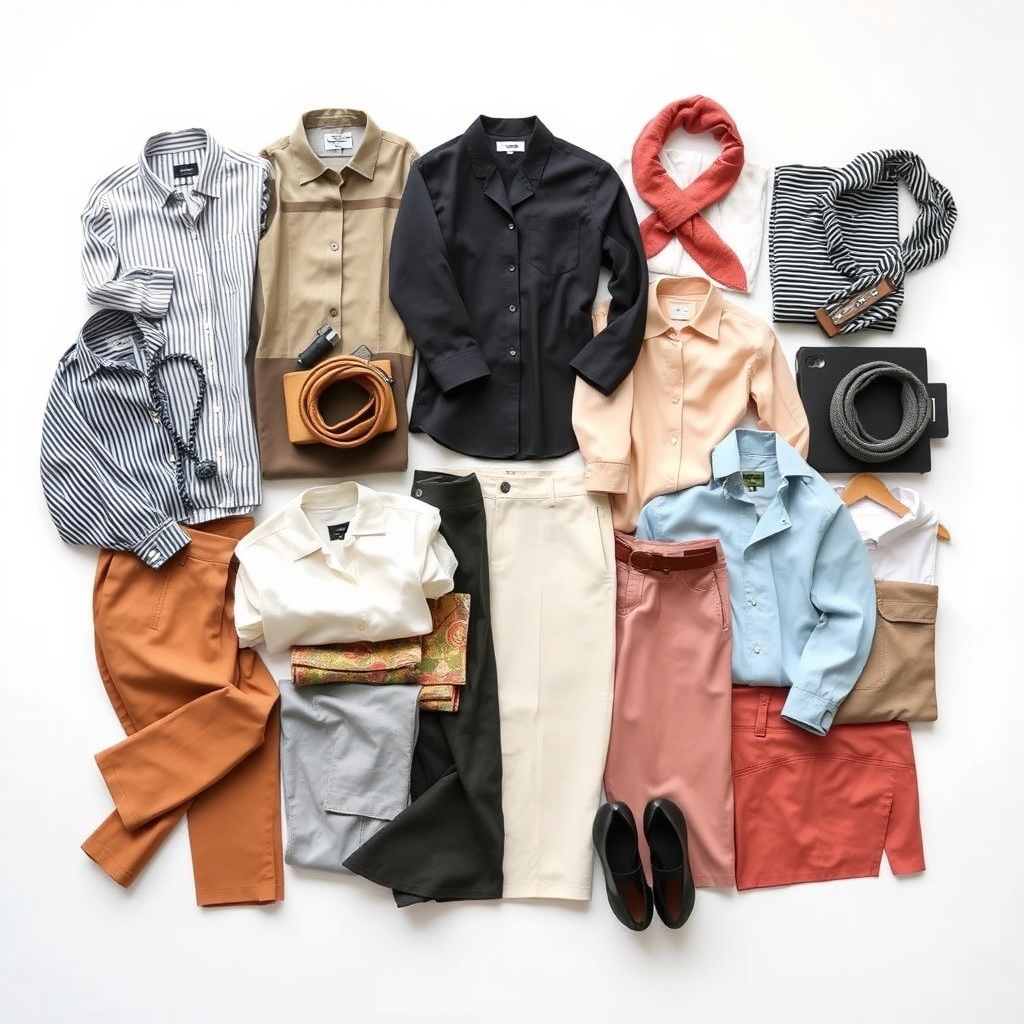
Creating a clothing colour palette based on what you already have has many advantages. It helps you make smarter shopping choices, saves money, and makes it easier to put together outfits each day. When you know your core colours, you avoid buying clothes that do not match. You also reduce waste by making the most of your current wardrobe.
2026’s Colour Trends and Why They Matter for Your Closet
Every year brings new colour trends. In 2026, calm earth tones, digital blues, soft greens, and vibrant pinks are popular. Knowing these trends helps you add fresh and trendy pieces without replacing your current clothes. Blending trends with your base wardrobe keeps you stylish and unique.
The Step-by-Step Process: Creating Your Personal Clothing Colour Palette
1. Audit Your Existing Wardrobe: Identifying Key Pieces and Repeat Colours
Start by pulling out all your clothing. Look for repeat colours and styles. Which shades appear most often? Take notes on tops, pants, dresses, and outerwear. Group clothes by colour to spot patterns in your wardrobe.
2. Assessing What Works: Analyzing Your Most-Worn (and Least-Worn) Colours
Check which items you wear the most. Are they in similar colours or fabrics? Mark colours you rarely wear. Ask yourself why—do they not suit your style or skin tone? Keep a list of your favourite and least liked colours for future reference.
3. Decoding Your Neutrals, Main Colours, and Accent Shades
Sort your wardrobe colours into three groups:
- Neutrals: Easy-to-match shades like black, white, beige, grey, and navy.
- Main colours: The core colours you wear most—these are unique to your style.
- Accent shades: Bright or bold colours that add interest and fun.
Write down 2-3 colours for each group. This list will build your unique clothing colour palette.
4. Matching Current Pieces with 2026’s Trending Hues
Take your neutrals, main, and accent colours. Compare them with 2026’s trending colours: earthy browns, digital blue, pistachio green, and vivid pink. Which trending colours fit with your existing clothes? Add 1-2 new shades that blend well with your base palette for a modern look.
Practical Tools: Wardrobe Colour Palette Worksheet & Digital Planner
Downloadable Colour Palette Worksheet (Printable & Mobile)
Use a worksheet to organise your colours. List each category of your palette and note items in your closet that match. Download a simple table that you can print or edit on your phone to track your wardrobe colours.
How to Use a Colour Palette Quiz with Your Closet
Try an online quiz to check which colours fit your style and personality. These quizzes ask about your skin tone, preferences, and lifestyle. Compare the quiz results with your actual clothing to see how well they match—or if you want to make changes!
Example: Real-Life Palette Building from a Reader’s Wardrobe
Let’s look at Sam’s wardrobe. Sam found she had lots of grey, navy, and white for neutrals. Her main colours were sage green and dusty pink. Her accent was bright yellow. Sam added digital blue (a 2026 trend) that worked with her current pieces. The result: her outfits mixed well and looked fresh with only a few small changes.
How to Style Using Your New Colour Palette
Everyday Outfit Formulae for 2026
Here are simple outfit formulas using your palette:
- Neutral bottoms + main colour top + accent jacket
- Main colour dress + neutral cardigan + trend colour bag
- Neutral shorts + accent t-shirt + trend colour sneakers
These formulas make it easy to mix and match what you already own.
Mixing Trend Colours with Timeless Staples
Don’t buy all new clothes for trends. Choose one or two trending colours and add them with small pieces like scarves, bags, or shoes. Keep your base items classic (like denim or black pants) so they always match your accent or trend colours.
Going Beyond Neutrals—Easy Colour Combinations with What You Own
Try different combinations:
- Main colour pants + accent colour shirt
- Accent colour skirt + neutral top + trend colour accessory
- Neutrals plus two accents—for a fun, youthful look
This makes your wardrobe feel fresh without much effort or cost.
Expert and Celebrity Stylists on Colour Palettes in 2026
Pro Tips for Personalizing or Updating Your Palette
Experts suggest updating your palette slowly. Start by wearing your favourite main colours more often. If you want a new look, swap in a seasonal accent. Make sure all new pieces match at least two things you already own.
Common Mistakes & Myths About Wardrobe Colour Coordination
- Myth: You must follow all the trends. Truth: Only use trends that fit your main palette.
- Myth: Mixing colours is hard. Truth: Use your worksheet for easy matching.
- Mistake: Buying on impulse. Solution: Check if the piece fits at least one palette group first.
Celebrity Wardrobe Examples and Their Signature Palettes
Many celebrities use signature palettes. For example, Taylor Swift often mixes red accents with neutral pieces. Zendaya likes earth tones with bold detail. Pick a favourite star and study their main palette to see how they create unique, unified styles.
Colour Palette FAQs and Troubleshooting
What If My Closet Feels Too Random for a Palette?
Start small. Pull out what you wear most and build your palette from there. Over time, donate or store pieces that no longer fit your scheme.
Can You Have Multiple Palettes for Different Seasons?
Yes, many people do! You can build a summer palette with light tones and a winter one with deeper shades. Keep your neutrals steady, but allow accents and main colours to shift with each season.
How Often Should You Update Your Palette?
Most experts suggest checking your palette every year or when you notice your taste has changed. Update with new trend colours or swap out shades you no longer wear.
Next Steps: Building a Shopping List and Refreshing Intentionally
Gap Analysis—Identifying What To Buy Next (and What Not To)
- List what you have in each palette group (neutral, main, accent, trend).
- See where you have gaps. Are you missing an accent colour or a trending shade?
- Buy only what fills these gaps and matches your chosen colours.
Sustainable Shopping: Choosing New Pieces That Fit Your Existing Palette
Shop with intention. Buy clothes that work with at least two or three items you already own. Choose quality over quantity, and think about second-hand or vintage items to reduce fashion waste.
Summary: Key Points and Your Next Action Steps
- Building a clothing colour palette around what you own saves time, money, and energy.
- Use 2026’s trends to refresh, not replace, your wardrobe.
- Follow step-by-step audits and worksheets to see your best colours clearly.
- Mix trend colours with timeless pieces for unique style.
- Avoid common mistakes by using your palette for all shopping decisions.
- Check your palette each year and shop sustainably.
Now, print your worksheet, take the quiz, and try mixing one new trend colour with your favourite pieces. Practice each step and enjoy a more coordinated, stylish wardrobe.